

How to Check a Sheep in 60 Seconds Before Buying
A practical pre-buy sheep inspection guide covering alertness, eyes, nose, mouth, rear end, body condition, feet and key health-history questions.
Read articlePractical sheep articles and field guides.
A practical pre-buy sheep inspection guide covering alertness, eyes, nose, mouth, rear end, body condition, feet and key health-history questions.
Read articleHow to use quarantine, daily observation, feed changes and health checks before new sheep join the main flock.
Read articleWhat posture, spacing, isolation, feeding behaviour and routine changes can tell you before obvious illness appears.
Read articleSheep can remember faces for longer than many people think. Here is what that means for everyday flock handling.
Read articleWhy new sheep should be kept separate before joining the flock, what to check daily, and how a simple pen can prevent expensive disease problems.
Read articleHow to tie and test a bowline knot for short, supervised sheep handling, with rope, halter and safety notes.
Read articleA practical sheep handling guide for catching and holding sheep quietly, using yards, gates, flock behaviour, flight zones and safe restraint.
Read articleA practical article on corn silage for sheep, covering energy, starch, adaptation, fiber, spoilage, listeriosis risk and small-flock feed-out problems.
Read articleSheep farms do not need more scattered records. They need animal, treatment, stock, finance and report data to stay connected.
Read articleA ration plan should reflect real feed stock, cost, animal stage and confidence signals — not just clean numbers on paper.
Read articleThe best sheep farm software should help turn daily records into clearer decisions, not simply create another place to type.
Read articleA practical comparison of livestock tracking tools, with a sheep-focused look at records, workflow, sync, reporting and decision support.
Read articleFresh practical notes prepared for sheep farmers.
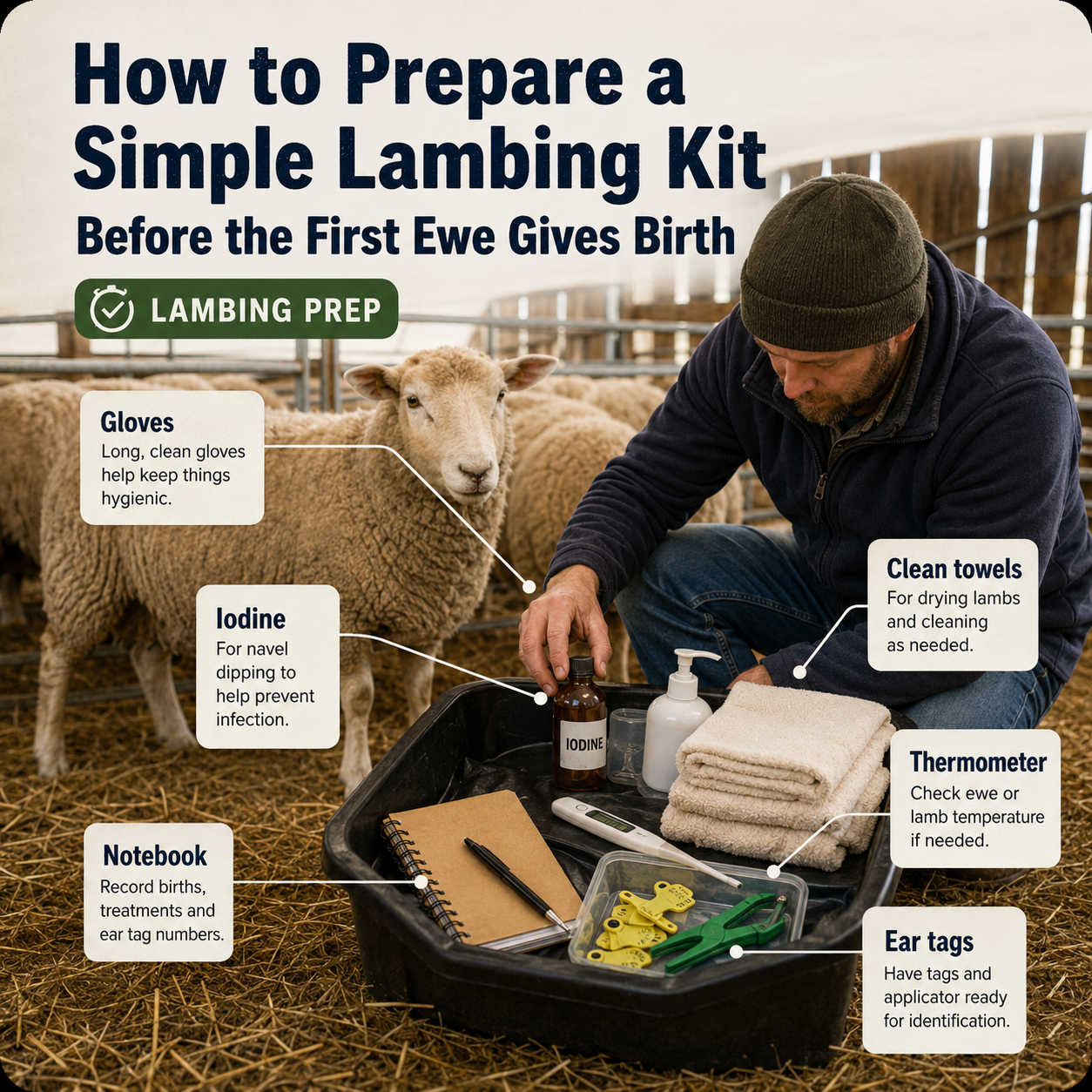
A lambing kit does not need to be complicated. It needs to be clean, ready, and easy to find before the first ewe gives birth.
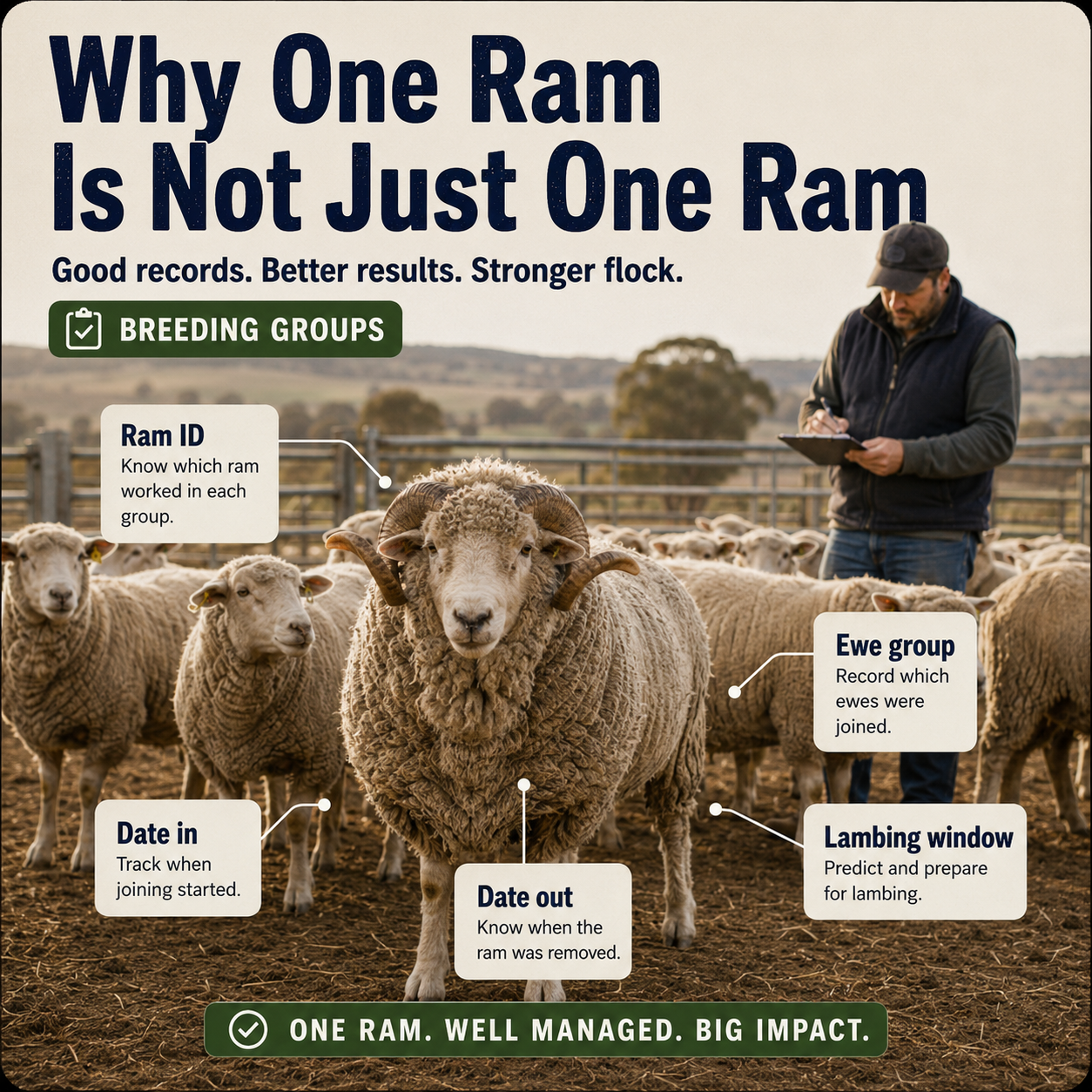
A ram is not just the male in the field. He shapes the next lambing season, the flock calendar and future performance.
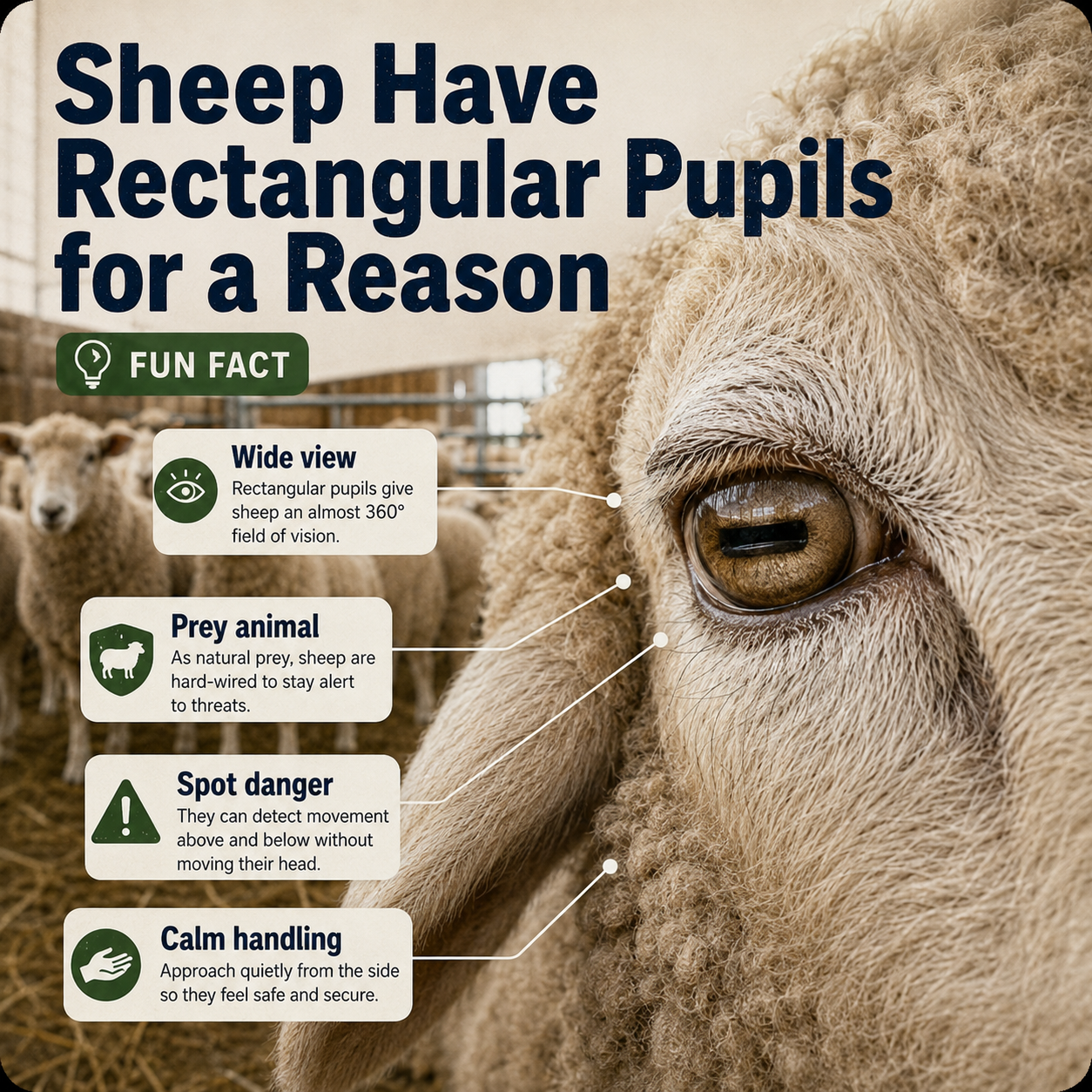
Sheep do not see the farm the way humans do. Their rectangular pupils help explain flock movement and calm handling.
 Article
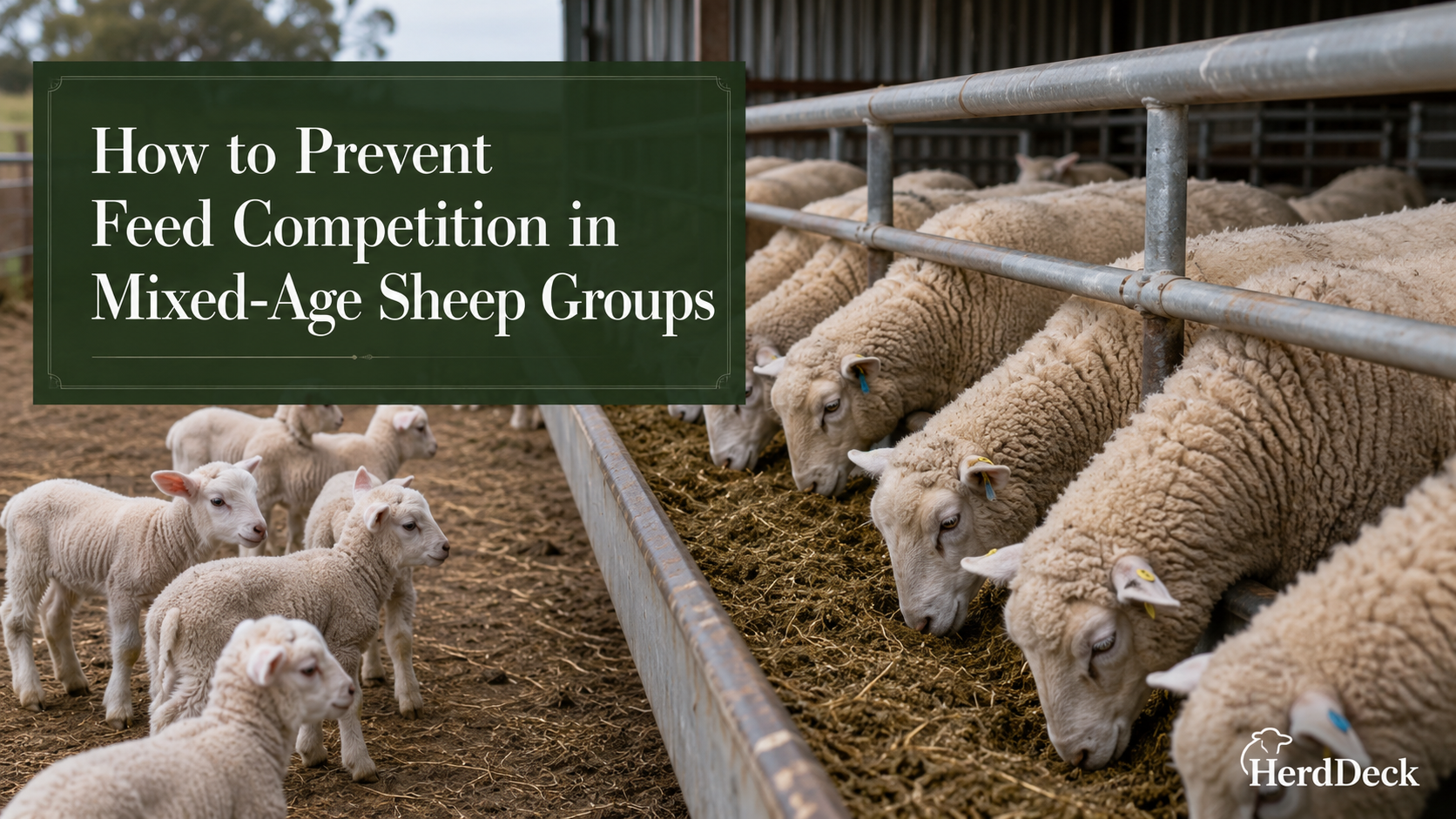
Mixed-age sheep groups can hide feed competition. Feeder space, grouping, timing and observation help weaker animals get what they need.
 Article
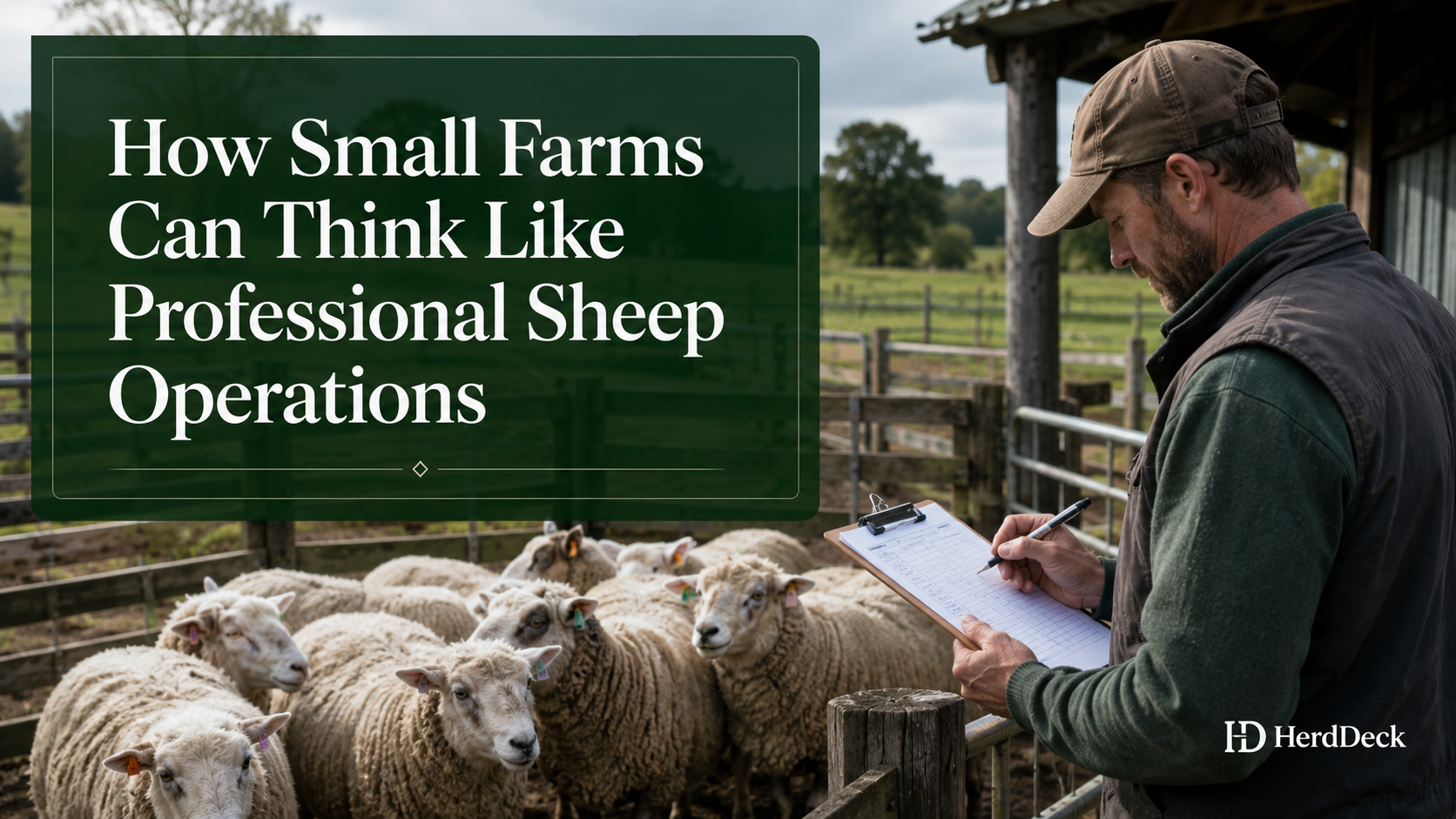
A small sheep farm does not need to become large to become more professional. Better records, routines and cost awareness can change decisions.
 Fun Fact
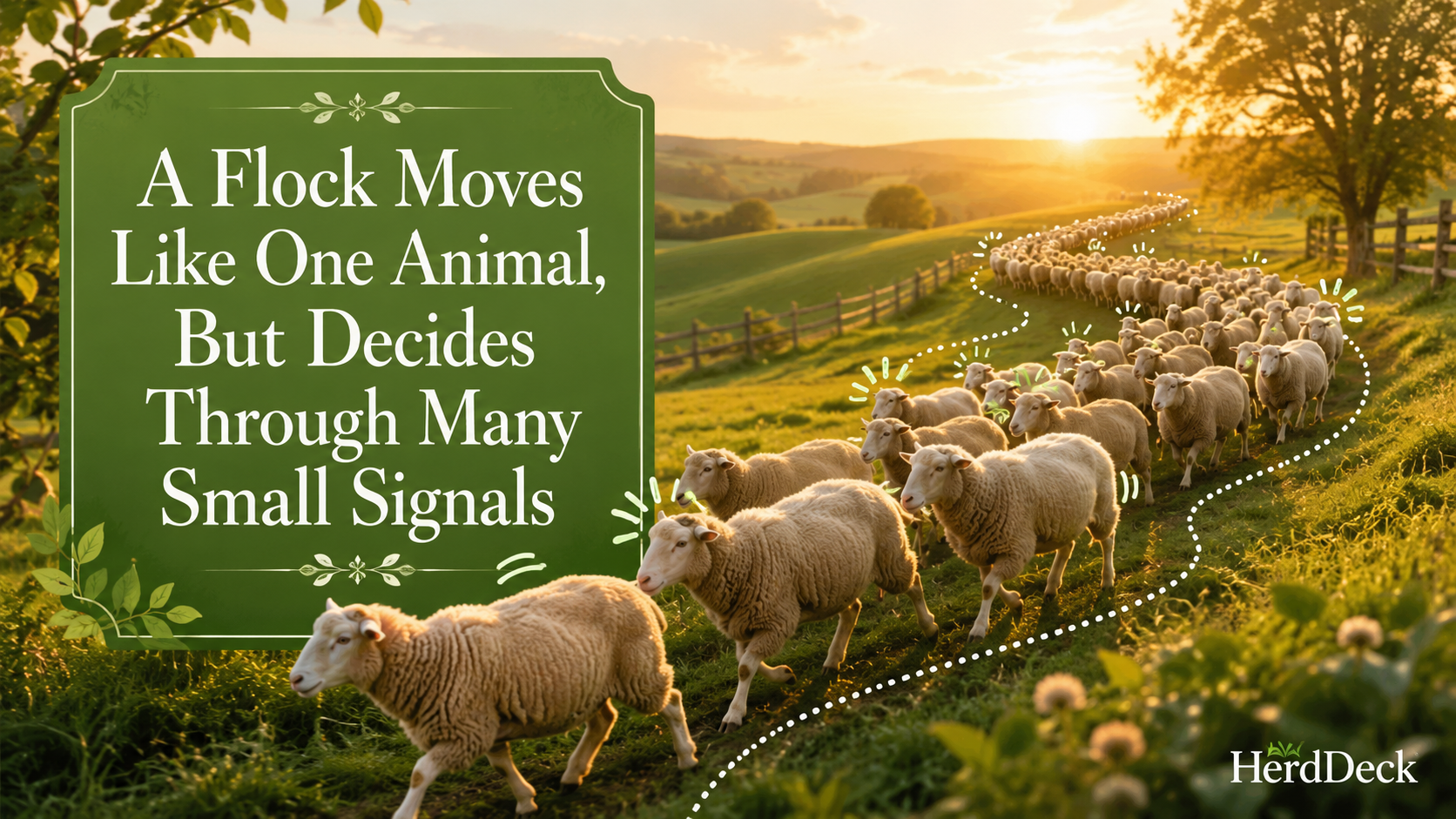
A flock may look like one animal, but sheep move through many small signals, social cues and group reactions.
 Founder Note
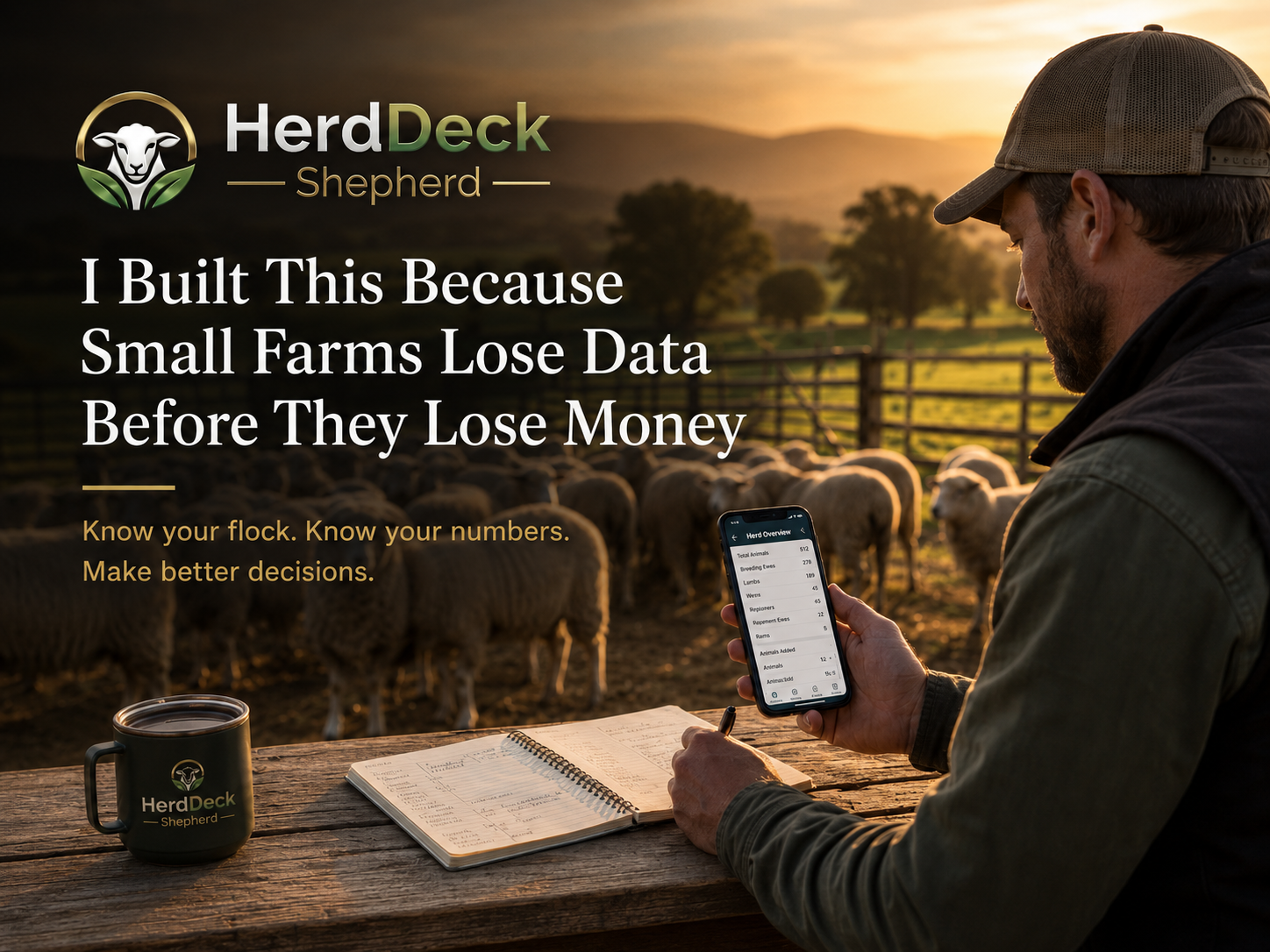
A founder note on why small sheep farms need simple, practical flock records before problems turn into lost profit.